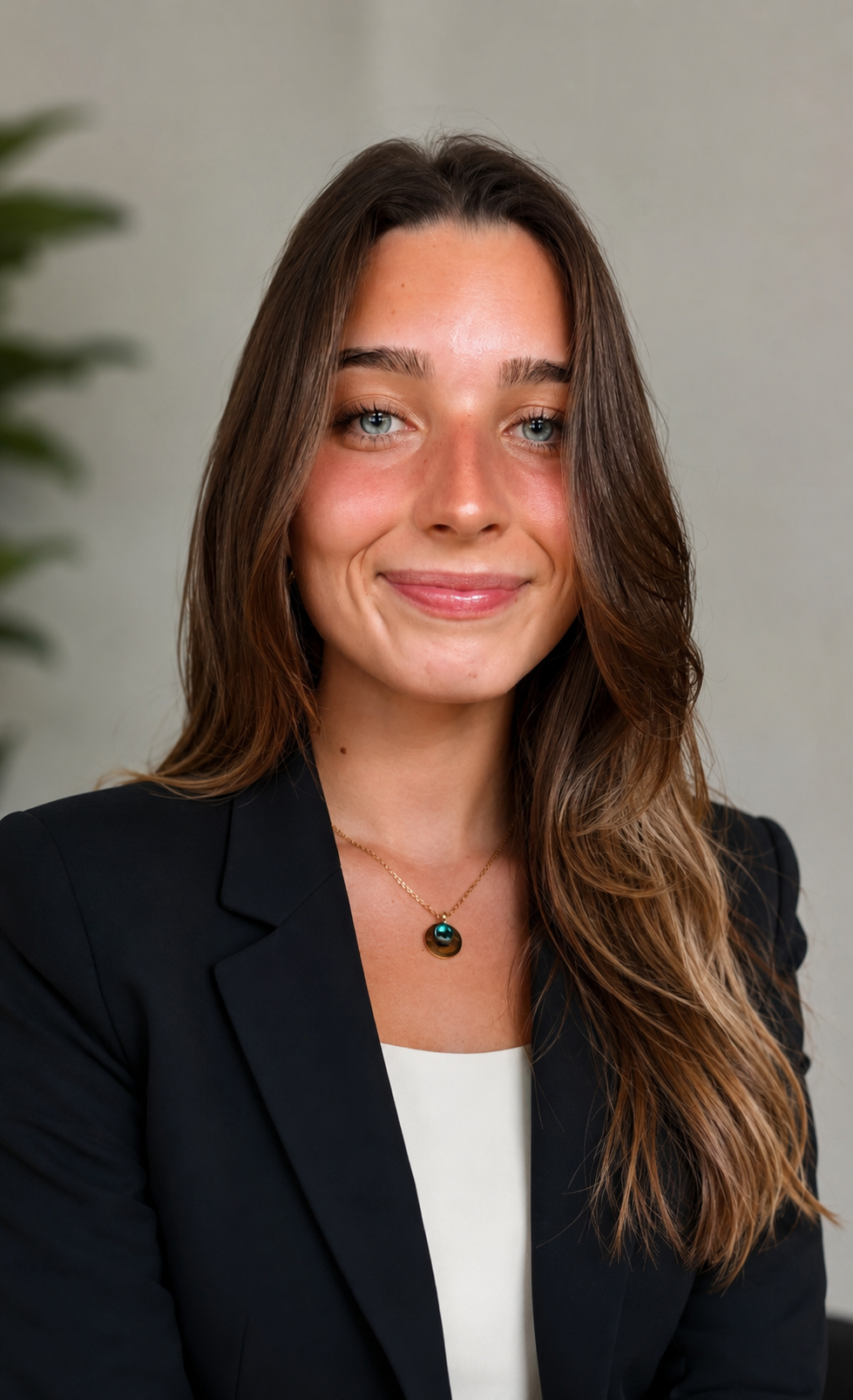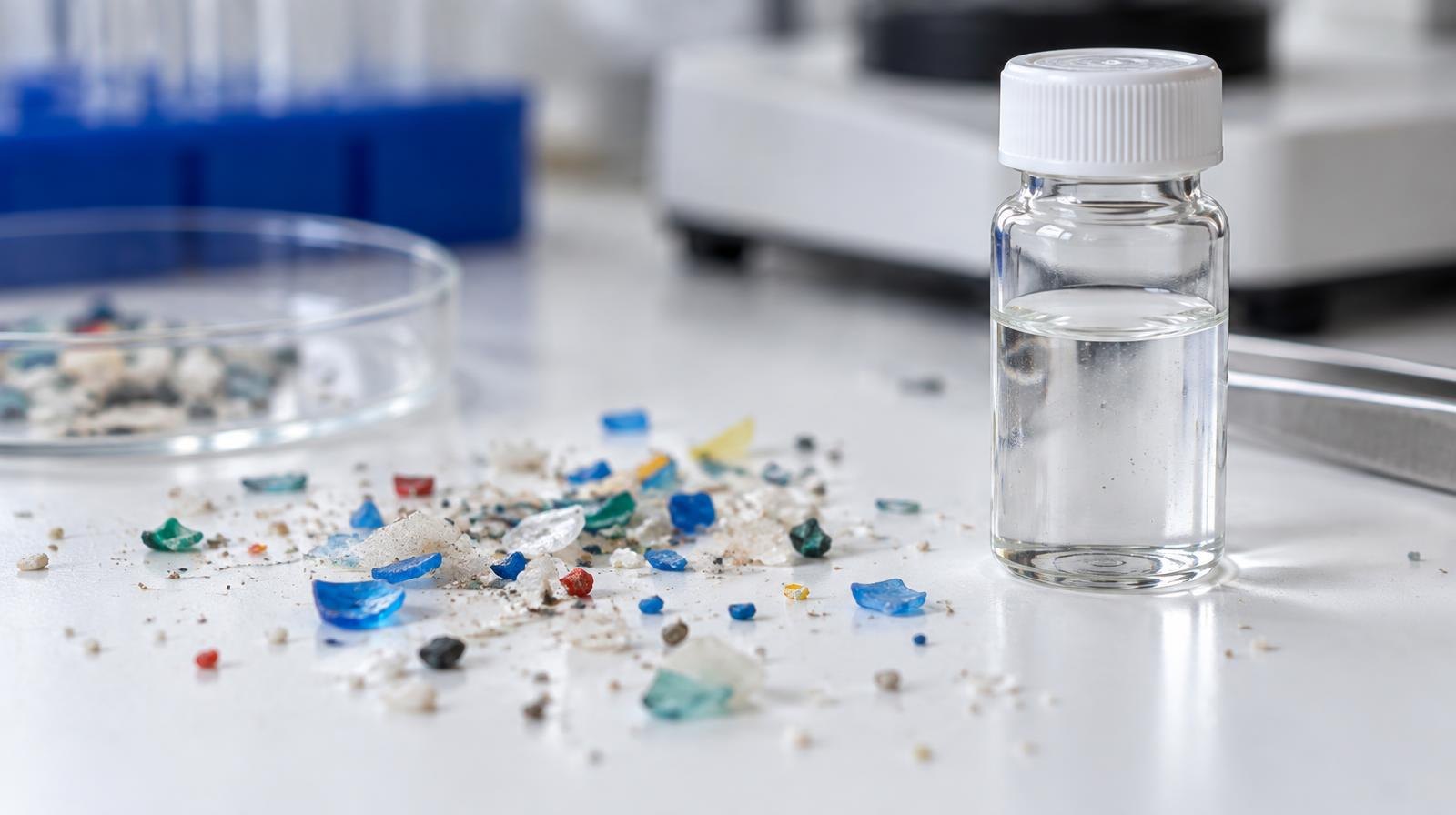
Saint Mary's College student Aidan Ellis spent the summer testing whether the pesticide chlorpyrifos and PET microplastics reduce neuronal cell viability more when combined than when tested separately. His preliminary results suggest they may.
Ellis, a rising third-year student from Pleasanton pursuing an individualized major in psychology, neuroscience and biology, investigated whether the pesticide chlorpyrifos and PET microplastics amplify each other's neurotoxic effects. His cell experiments showed significantly reduced cell viability after combined exposure, compared with exposure to either substance on its own, according to a Saint Mary's College profile published Tuesday, Sept. 29.
"If they're binding together, carrying amplified levels of neurotoxins to our brains and cells, that's what's known in biology as a synergy," Ellis said in the profile. "That could have profound implications for public health, and we'd need to regulate for it in agriculture and food consumption."
Ellis, the first in his family to attend a four-year college, said he initiated the project himself. He reviewed scientific literature, identified the research gap and brought the idea to Professor of Biology Vidya Chandrasekaran.
They developed the study together, and Assistant Professor of Biochemistry Freeborn Rwere supervised the lab work through the college's ten-week Summer Research Program. The program provides a $5,000 stipend, campus housing and a supply budget.
Ellis said he believes he is the first researcher to study this specific chlorpyrifos-PET microplastic interaction. Decades of research exist on chlorpyrifos and brain cells, he said, but data on PET microplastics' effects on development are sparse.
Chlorpyrifos has a complicated regulatory history. The EPA moved to ban it from food crops in 2021, but the Eighth Circuit Court of Appeals vacated that rule in November 2023, reinstating its use. In December 2024, the EPA proposed revoking chlorpyrifos tolerances for most crops while keeping it legal on about a dozen, including apples, strawberries and wheat, according to the National Agricultural Aviation Association.
Beyond the cell experiments, Ellis has tested the substances on zebrafish and chicken embryos. Preliminary chick embryo results showed an external organ abnormality following chlorpyrifos exposure and a possible reduction in fertility linked to PET. Ellis described those findings as still preliminary, requiring more experiments.
The research is personal.
Ellis said his grandparents on both sides are dealing with cognitive decline. He plans to attend medical school after graduating in 2028 with the goal of becoming a neurosurgeon focused on conditions like Alzheimer's and Parkinson's disease. Neither of his parents formally graduated from high school. His mother immigrated from Peru as a child. Two older brothers, Kevin Ellis and Chris Ellis, also attended Saint Mary's.
About one in three Saint Mary's students are first-generation college students, according to the college profile. Saint Mary's enrolls 2,003 undergraduates with a 10:1 student-to-faculty ratio, according to institutional data.
On campus, Ellis leads the Psychology Club and the St. Luke's Pre-Health Society Club, tutors at the STEM Center and serves as vice president of the Neuroscience Club.
Ellis will present his findings at the Brousseau poster session on campus in fall 2026. Students selected from that event may go on to present at national conferences, including the annual meetings of Sigma Xi and the American Association for the Advancement of Science.